Trripah Logo
South Korea
AsiaCultureFoodieUrbanFriendsAdventure

South Korea

K-Drama Locations Are Just the Beginning.

Palaces, K-pop, fried chicken and cherry blossoms — Seoul runs on a frequency all its own.

South Korea is a country that compressed several centuries of transformation into a few decades — from the ruins of the Korean War to the world's most connected digital economy, from Confucian palaces to global K-pop. But the layer that most visitors don't see until they arrive is the depth of the traditional culture that survived all of it: mountain temple stays that are a thousand years old, jeong (the untranslatable warmth Koreans show strangers), street food that traces back to royal court kitchens, and a landscape of dramatic mountains, temple valleys and island coastlines that rivals any in Asia.

Best For

Solo · Couples · Foodies · Culture

Duration

7–10 Days

Best Season

March–May (Cherry Blossom) or September–November (Autumn Foliage)

Visa

e-Visa / Visa on Arrival for Indians

Capital City

Seoul

Province / Country

Seoul Capital Area, Republic of Korea

Seoul is a city of controlled contradictions — the ancient Gyeongbokgung Palace sits inside a city of 10 million that invented the world's fastest internet. Bukchon Hanok Village's tiled rooftops face glass skyscrapers in Gangnam; the Han River divides traditional markets from K-pop entertainment districts. Seoul's subway is so efficient that getting lost is almost impossible — which is a shame, because the best discoveries happen when you do.

Must-Know

What South Korea Is Famous For

The experiences, landscapes and moments that define a trip here.
Gyeongbokgung Palace & BukchonIconic

Gyeongbokgung Palace & Bukchon

The Joseon dynasty's main palace — grand ceremonial halls surrounded by mountain backdrop, with the daily royal guard-changing ceremony in full period costume. Ten minutes' walk uphill, Bukchon Hanok Village's curved-tile rooftops and narrow lanes lined with traditional courtyard houses feel centuries removed from the city below.

Cherry Blossom SeasonIconic

Cherry Blossom Season

For two weeks in late March to mid-April, Korea erupts in pink — Yeouido Hangang Park, Gyeongju's historic sites and Jinhae's navy base (the most spectacular display in Asia) transform under a canopy of cherry blossoms. The Jinhae Gunhang-je Festival draws 200,000 visitors in a single week for good reason.

Jeju IslandNature

Jeju Island

Korea's subtropical island — a UNESCO Triple Crown destination (World Natural Heritage, Global Geopark, Biosphere Reserve) with Hallasan volcano at its centre, lava tube caves, tangerine orchards and haenyeo (free-diving grandmother fisherwomen who have worked these waters for centuries).

Demilitarized Zone (DMZ)

Demilitarized Zone (DMZ)

The most heavily fortified border on earth — a 4km-wide strip separating South Korea from North Korea, where you can peer into the hermit kingdom through binoculars at the Joint Security Area. The absurdist theatre of two guards facing each other in eternal silence, metres apart, is an experience that lingers.

Gwangjang Market & Street Food

Gwangjang Market & Street Food

Seoul's oldest traditional market — wooden stalls serving bindaetteok (mung bean pancakes), mayak gimbap (addictive sesame rice rolls called 'narcotic' for their flavour), raw beef yukhoe and tteokbokki (spicy rice cakes). The market vendors have worked the same stalls for generations.

Seoraksan National ParkAdventure

Seoraksan National Park

Korea's most dramatic mountain landscape — granite peaks, temple valleys and autumn foliage that turns the entire park into a cascade of red, orange and gold from late September. The cable car to Gwongeumseong Fortress and the hike to Ulsanbawi Rock are Korea's finest mountain experiences.

Take Home

What to Shop in South Korea

From artisan workshops to open-air markets — things worth packing an extra bag for.

💄

K-Beauty Skincare

Korea's beauty industry is genuinely the world's most innovative — sheet masks, essence toners, BB creams, ampoules and SPF technology that Western brands have spent years trying to replicate. Olive Young (the Korean beauty chain) is cheaper than any global retailer and stocks brands unavailable internationally.

🎵

K-Pop Merchandise

Official K-pop merchandise — albums, photocards, lightsticks and branded goods — from Hybe Store (BTS), SM Town Coex (Exo/Aespa) and the flagship K-pop megastores in Myeongdong. Albums bought in Korea include region-exclusive photocards that collectors will actually notice.

🍜

Korean Ramyeon & Instant Foods

Buldak fire noodles, Samyang ramyeon packs, Shin Ramyeon black edition and limited-edition flavours unavailable abroad — Korean convenience stores and hypermarkets are paradise for instant food collectors. Jagalchi Market in Busan also has incredible dried seafood and gochujang paste.

🏺

Celadon & Hanji Crafts

Traditional Korean celadon pottery (with its distinctive jade-grey glaze) and hanji paper goods — books, fans and boxes made from mulberry-bark paper — are Korea's finest traditional crafts. The Insa-dong neighbourhood in Seoul is the best district for authentic craft shopping.

Explore

Top Attractions in South Korea

The places everyone tells you to visit — and they're right.
🏔️

Seoraksan Autumn Foliage

Korea's most dramatic mountain park turns blood-red and gold in late September — cable car to Gwongeumseong Fortress, forest trails past Buddhist temples and granite peaks that could be from a classical ink painting.

🎎

Jeonju Hanok Village & Bibimbap

The best-preserved hanok district in Korea outside Seoul — 700 traditional houses, an entire street of makgeolli (rice wine) bars and the birthplace of bibimbap. Jeonju's version, served in a stone pot with 30 toppings, is the definitive interpretation.

💡

Dongdaemun Design Plaza (DDP)

Zaha Hadid's 86,000 sq metre curved-steel landmark in Seoul — a 24-hour fashion and design district where the city's most innovative retail, exhibitions and night markets converge in an alien architectural form that you'll recognise immediately.

⛩️

Haeinsa Temple & Tripitaka Koreana

A mountain temple holding 80,000 wooden printing blocks of the entire Buddhist canon — the most significant collection in East Asian Buddhism, carved in the 13th century and perfectly preserved in natural-ventilation wooden halls.

🌊

Busan Beaches & Jagalchi Market

Korea's coastal city — Haeundae Beach, the colourful Gamcheon Culture Village, Haedong Yonggungsa seaside temple and the Jagalchi fish market (largest in Korea) where you choose your seafood live and eat it 10 minutes later.

🛡️

DMZ Tour from Seoul

The world's most fortified border — guided tours include the Third Infiltration Tunnel (dug by North Korea), the JSA observation point and the eerie Peace Bridge. One of the most sobering and fascinating geopolitical experiences available to tourists anywhere.

Taste & Culture

Food, Rituals & South Korea's Soul

Eat with your hands. Watch the ceremony. Understand why people keep coming back.

Confucian HeritageBuddhismK-Pop & Hallyu WaveSeollal (Lunar New Year)Chuseok (Harvest Festival)Hanbok TraditionTaekkyon Martial ArtHaenyeo Sea Women

Korea is the only country I know where the food philosophy and the people philosophy are identical: give until you can't, then give a little more.

Korean BBQ (Samgyeopsal)

Korean BBQ (Samgyeopsal)

Thick-cut pork belly grilled on a charcoal grill built into your table, wrapped in perilla leaves with raw garlic, kimchi and ssamjang paste — the most interactive meal in Asia. A Korean BBQ dinner that lasts three hours with soju and side dishes is the essential Seoul social experience.
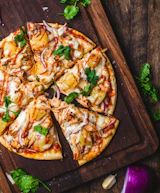
Bibimbap

Bibimbap

Rice mixed with colourful vegetables, beef, egg and gochujang (red chilli paste) in a stone pot that keeps sizzling at the table — each ingredient visible before you mix it into a riot of flavour and texture. Jeonju's version with 30 toppings and a dolsot stone pot is the most complex.

Tteokbokki

Tteokbokki

Chewy rice cake cylinders in a gochujang-based sauce, found at every street cart from Seoul to Busan — spicy, sticky and completely addictive. The modern version includes fish cakes and boiled eggs; the Gwangjang Market version uses a milder sauce that shows you why the original was a royal court snack.

Chimaek (Fried Chicken & Beer)

Chimaek (Fried Chicken & Beer)

Korea's greatest contribution to casual dining — double-fried chicken (crisped to an audible crunch) served with iced beer (maekju) or soju. The yangnyeom (sweet-spicy glazed) and honey-butter variants are Korea's most obsessed-over food trend, and every neighbourhood has its own best spot.

Kimchi & Banchan Culture

Kimchi & Banchan Culture

Korea's preserved fermented cabbage is the bedrock of the cuisine — each family has a different recipe; restaurants serve 10–15 free side dishes (banchan) with every meal including multiple kimchi varieties. A Korean meal without banchan is not a Korean meal.

Before You Go

Essential Facts

Everything an Indian traveller needs before booking a South Korea trip.

Getting There

✈️

6–8 hrs direct

Non-stop from major Indian cities

Weather

🌤️

Spring 10–20°C; Summer 25–35°C; Autumn 10–22°C; Winter -5–5°C

Budget / Couple

💳

₹80K–1.5L / couple / week

Flights, hotels & activities included

Visa for Indians

🛂

e-Visa / K-ETA required (apply online, approx ₹2,000)

Traveller Questions

South Korea — Frequently Asked Questions

Real questions from Indian travellers, answered by our South Korea experts.

Do Indians need a visa for South Korea?
Yes, Indian passport holders need a tourist (C-3) visa for mainland South Korea, applied for in advance. However, Jeju Island allows visa-free entry for Indian tourists for up to 30 days when arriving directly. Trripah assists with the full visa documentation.
Can Indians visit Jeju Island without a visa?
Yes. Indian nationals can enter Jeju Island visa-free for up to 30 days if they arrive directly on a Jeju-bound flight (typically via a transit point). To combine Jeju with Seoul or Busan on the mainland, you still need a standard South Korea tourist visa.
How much does a South Korea trip cost from India?
A 6-7 day South Korea trip costs around ₹85,000–1,20,000 per person mid-range including flights, hotels, and transport, and ₹1,50,000+ for premium stays. Budget travellers can manage ₹70,000–85,000 using guesthouses and the efficient metro/KTX rail network. Trripah packages start from ₹89,999.
How do I reach South Korea from India?
Flights from Delhi, Mumbai, and Bangalore reach Seoul Incheon (ICN) in about 7–9 hours, usually with one stop via a hub like Hong Kong, Singapore, or Hong Kong. Korean Air, Asiana, and several one-stop carriers operate the route. Return fares typically run ₹45,000–75,000.
What is the best time to visit South Korea?
Spring (April–May) for cherry blossoms and autumn (September–November) for golden foliage are the most beautiful and comfortable seasons. Winter (December–February) is cold but great for skiing and snow, while summer (June–August) is hot, humid, and brings monsoon rain.
What currency is used in South Korea?
South Korea uses the Korean Won (KRW). Indian Rupees are not accepted — carry a forex card and some USD or KRW cash. Cards are accepted almost everywhere, including taxis and convenience stores, but keep cash for traditional markets and small eateries.
Is South Korea safe and easy to travel for Indians?
Yes. South Korea is one of the safest countries in the world with very low crime, excellent public transport, and widespread English signage on the metro and KTX. Translation apps help with menus. Indian and vegetarian food is available in Seoul and major cities.

Ready to Go?

Let's Build Your South Korea Trip — Your Way.

Share your travel dates and preferences. We'll send you a custom itinerary — for free, with no obligations.

Free trip planning consultation

Custom itinerary in 24 hours

Best price guarantee — no hidden charges

Visa guidance included

24/7 on-trip WhatsApp support

Plan My South Korea Trip

Free consultation · No spam · Response in under 4 hours

Where to?
South Korea
Travel Dates
Travellers
Your Details

No obligation to book

More in Asia

Related Destinations

Thailand

Asia

Thailand

The Land of Smiles Never Gets Old.

Explore →
Japan

Asia

Japan

The World's Most Thoughtfully Designed Country.

Explore →
Singapore

Asia

Singapore

A City-State That Decided to Do Everything.

Explore →
Vietnam

Asia

Vietnam

A Country That Rewires You.

Explore →
Sri Lanka

Asia

Sri Lanka

The Pearl of the Indian Ocean, Untouched by Hype.

Explore →
Nepal

Asia

Nepal

Where the World Gets Taller.

Explore →
Philippines

Asia

Philippines

7,641 Islands of Adventure

Explore →
Bhutan

Asia

Bhutan

The Last Himalayan Kingdom

Explore →
Taiwan

Asia

Taiwan

The Heart of Asia

Explore →
China

Asia

China

Five Thousand Years of Civilisation

Explore →
Russia

Asia

Russia

From Red Square to Lake Baikal

Explore →
Malaysia

Asia

Malaysia

From Rainforests to Skyscrapers.

Explore →
Sarawak

Asia

Sarawak

Borneo's Wild Heart.

Explore →
Sandakan

Asia

Sandakan

Borneo's Wildlife Capital.

Explore →

Plan Your South Korea Trip with Trripah

Tell us your dates and we'll build a custom South Korea itinerary with flights, stays & activities — free, within 24 hours.
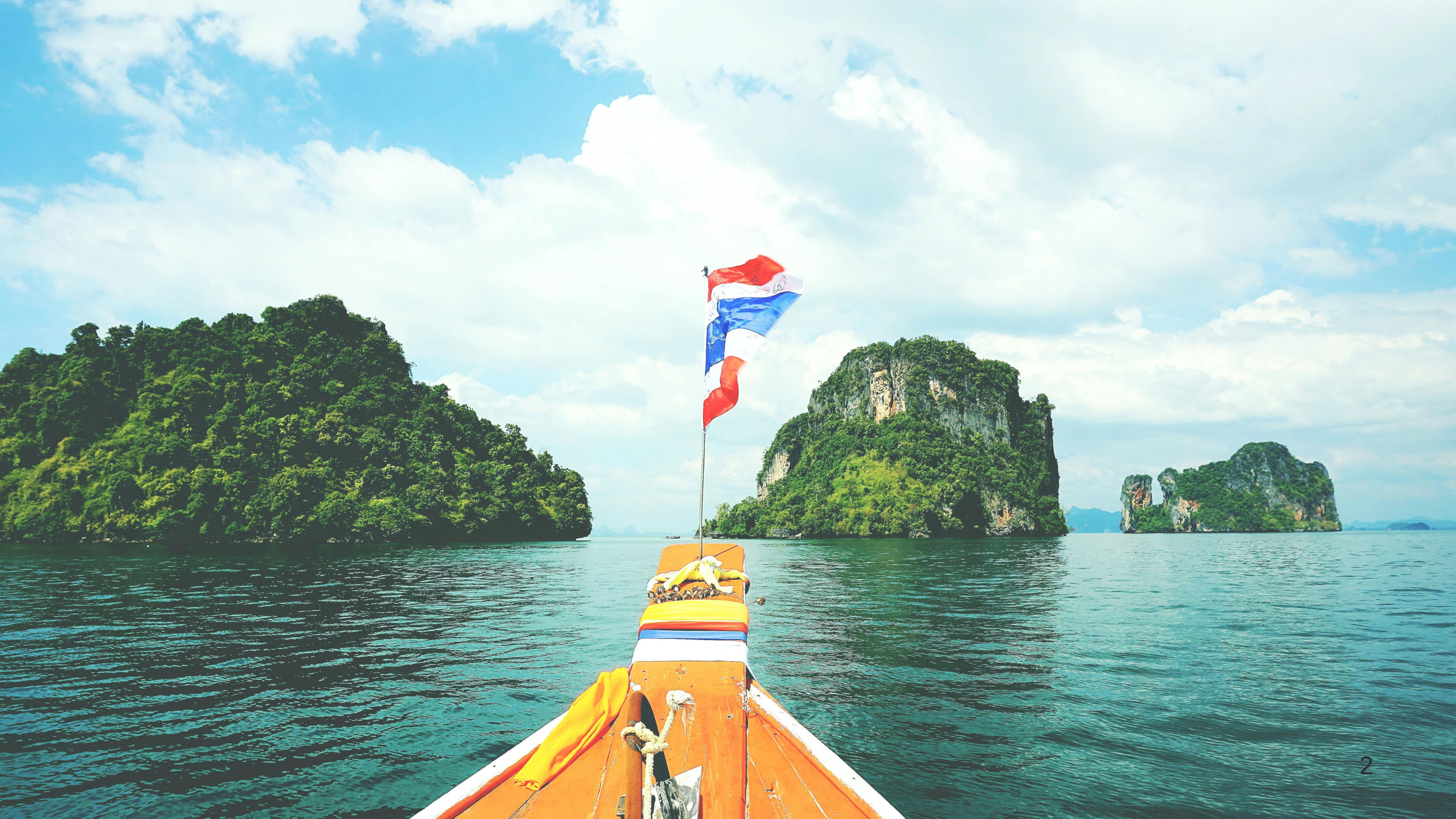
All Women, Thailand ! Phuket + Krabi Special !Girls Only

All Women, Thailand ! Phuket + Krabi Special !

4N / 5D10 max
23,999/personSee Trip →
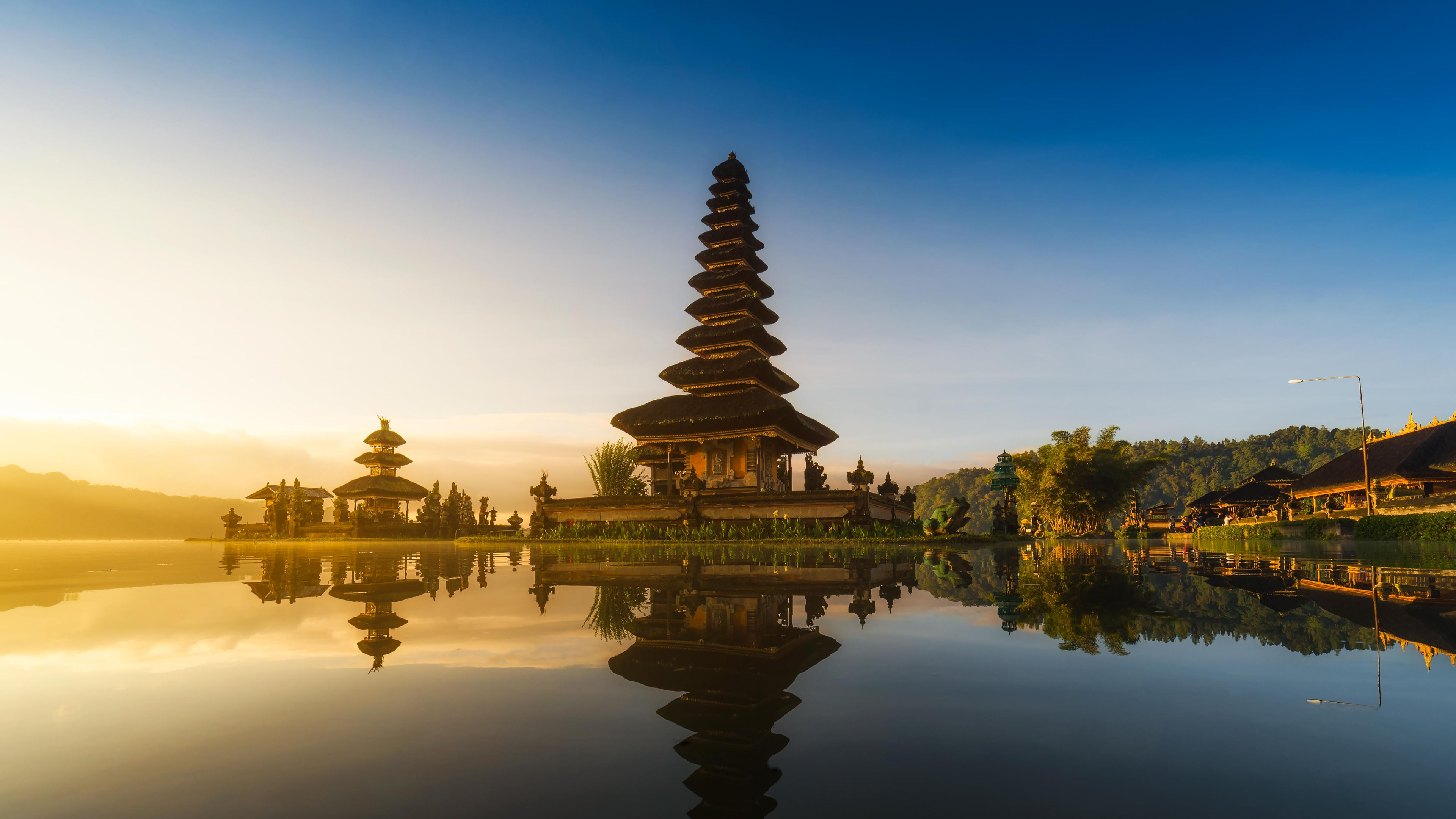
Bali Group Trrip - Full EditionMixed Group

Bali Group Trrip - Full Edition

5N / 6D45 max
35,149/personSee Trip →
Dubai & UAE with VISA & All Meals Mixed Group

Dubai & UAE with VISA & All Meals

5N / 6D45 max
57,731/personSee Trip →
💬 WhatsApp us about South KoreaView all group trips →Plan a custom trip📞 Call +917676355255
Trripah×Atlys — visa partner
Need a visa to South Korea? We've got you covered.
Trripah's official visa partner Atlys gets you visas for 190+ countries — apply online in minutes.
🎁 15% off Atlys service fees — for life
✈️ Apply VisaLearn more

South Korea Travel Guides & Tips